AWS
Partyrock
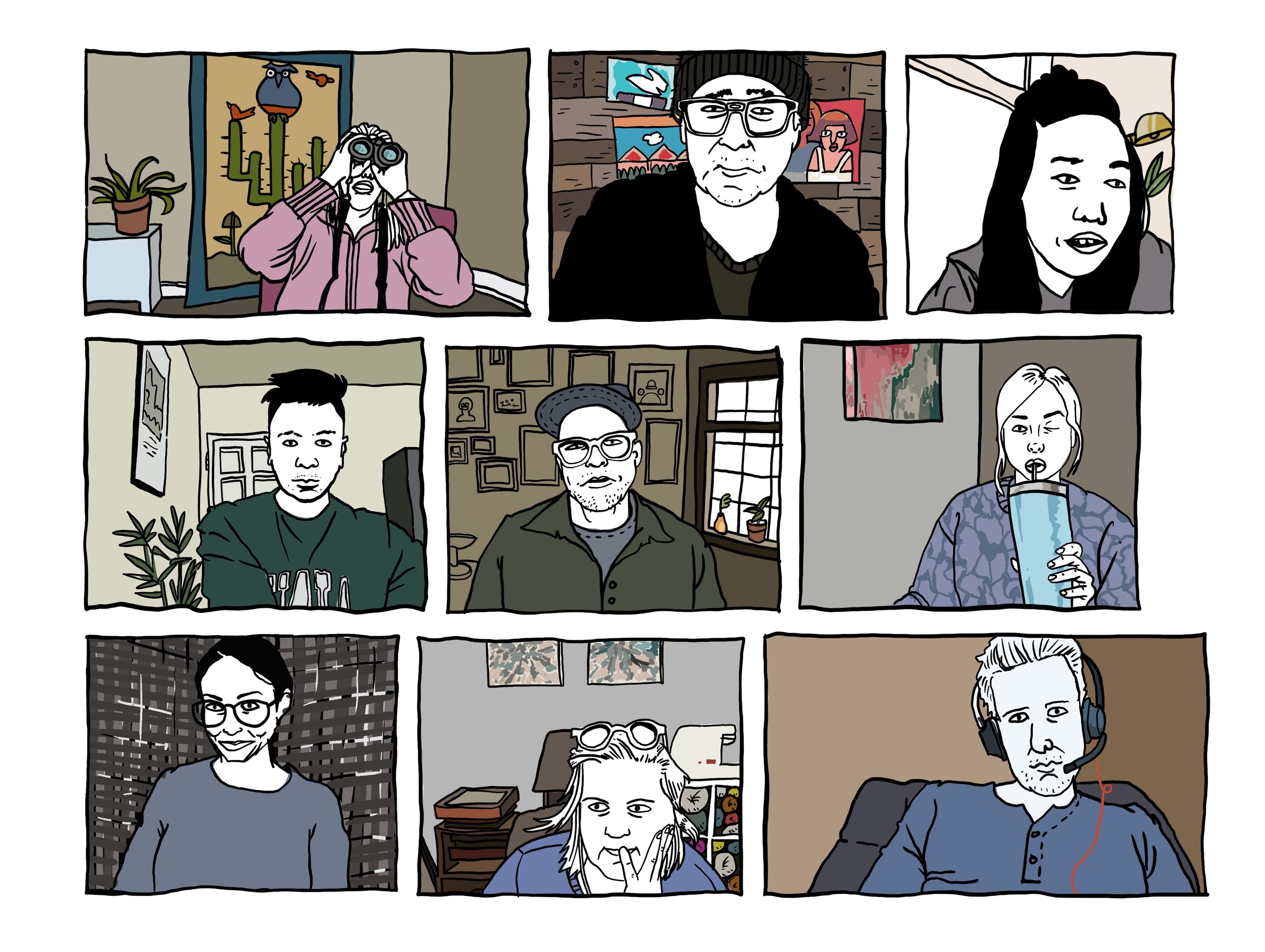
What began as a no-code AI playground—an internal experimental tool made by developers playing with foundation models—became a word-of-mouth hit that bridged the gap between technical and non-technical users. But the broader audience still needed an invitation.
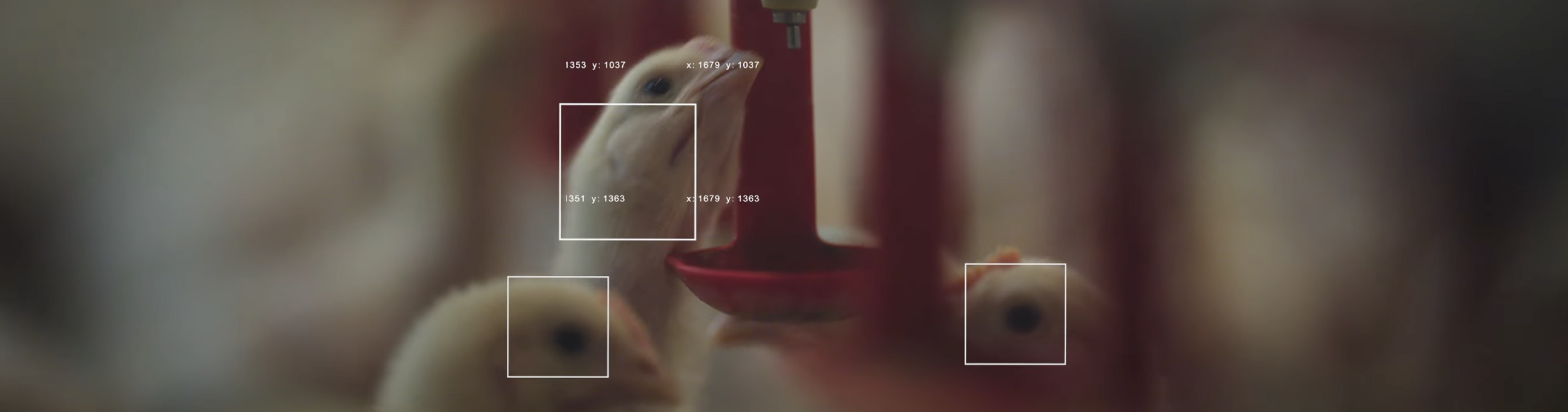
My initial idea was to hand PartyRock to creators, artists, makers, and doers across wildly different subcultures globally—tattoo artists, street dancers, zine makers—and simply watch what they built (and be honest about it). If successful, it would prove that app creation, like gen AI itself, was no longer gated behind technical wizardry— that it was truly open to all (and fun to use).
But a lean budget and tight turnaround meant getting scrappy. Working with a great agency (Revery) helped. We scripted and shot three spots in one day, in one location, turning over a workable cut in less than a week—and supplied AWS with a sense of humor while we were at it. The work abandoned technical jargon entirely, showing rather than telling how easy prompt-to-creation could be.
At the end of the day, no multi-million-dollar paid media campaign was needed. The spots served as the primary visual anchor for AWS's global awareness campaign, ran across social, and fueled an organic developer-advocacy and community-led content strategy that funneled thousands of viewers into active creators—culminating in a highly successful PartyRock Generative AI Hackathon.
What I did: Creative Direction, Creative Concept, Scriptwriting

re:Invent Startup Stories
re:Invent is arguably the most important week of the year for AWS—the definitive center of gravity for the cloud computing industry. And the CEO keynote is its centerpiece: the official state-of-the-union for the global cloud market.
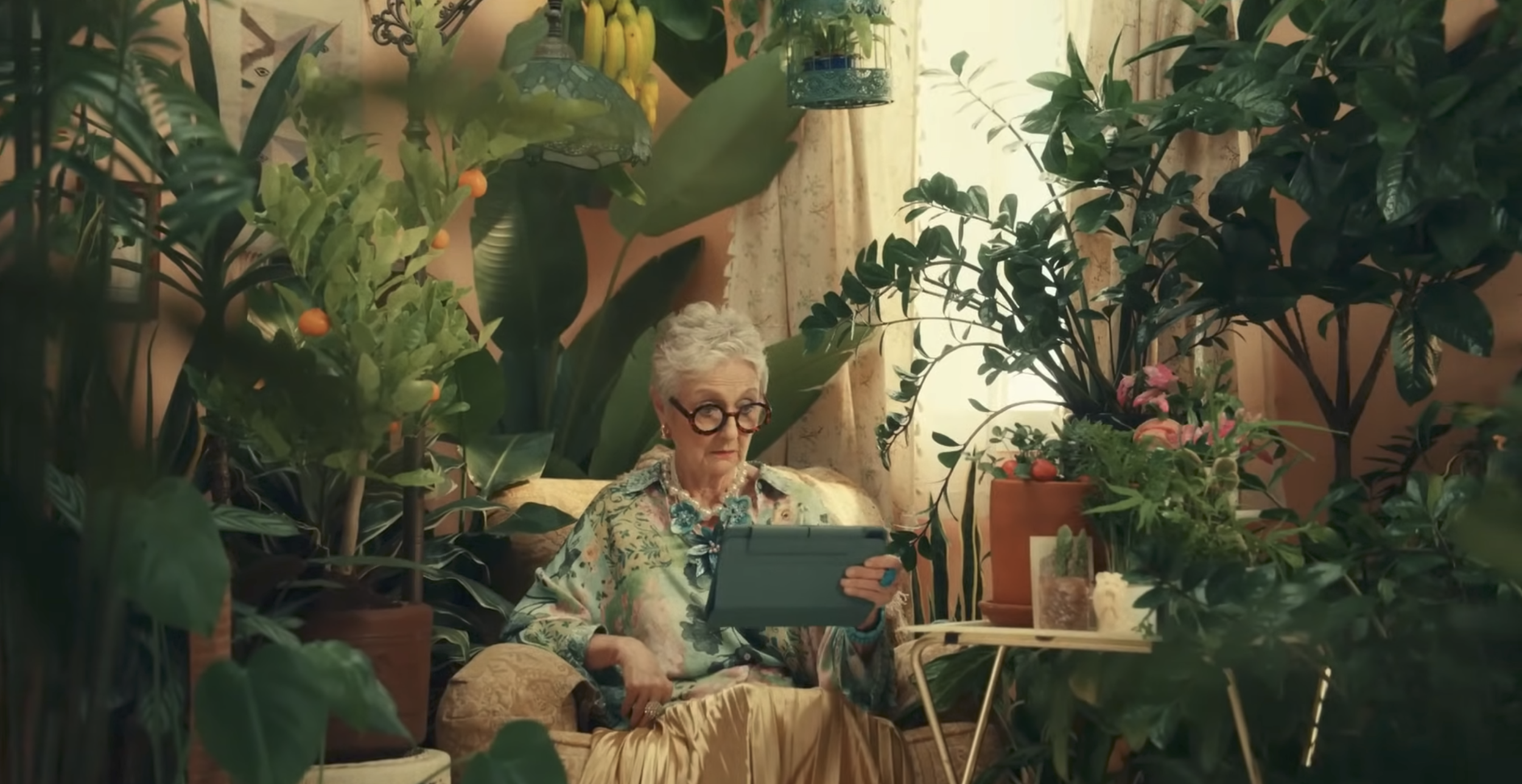
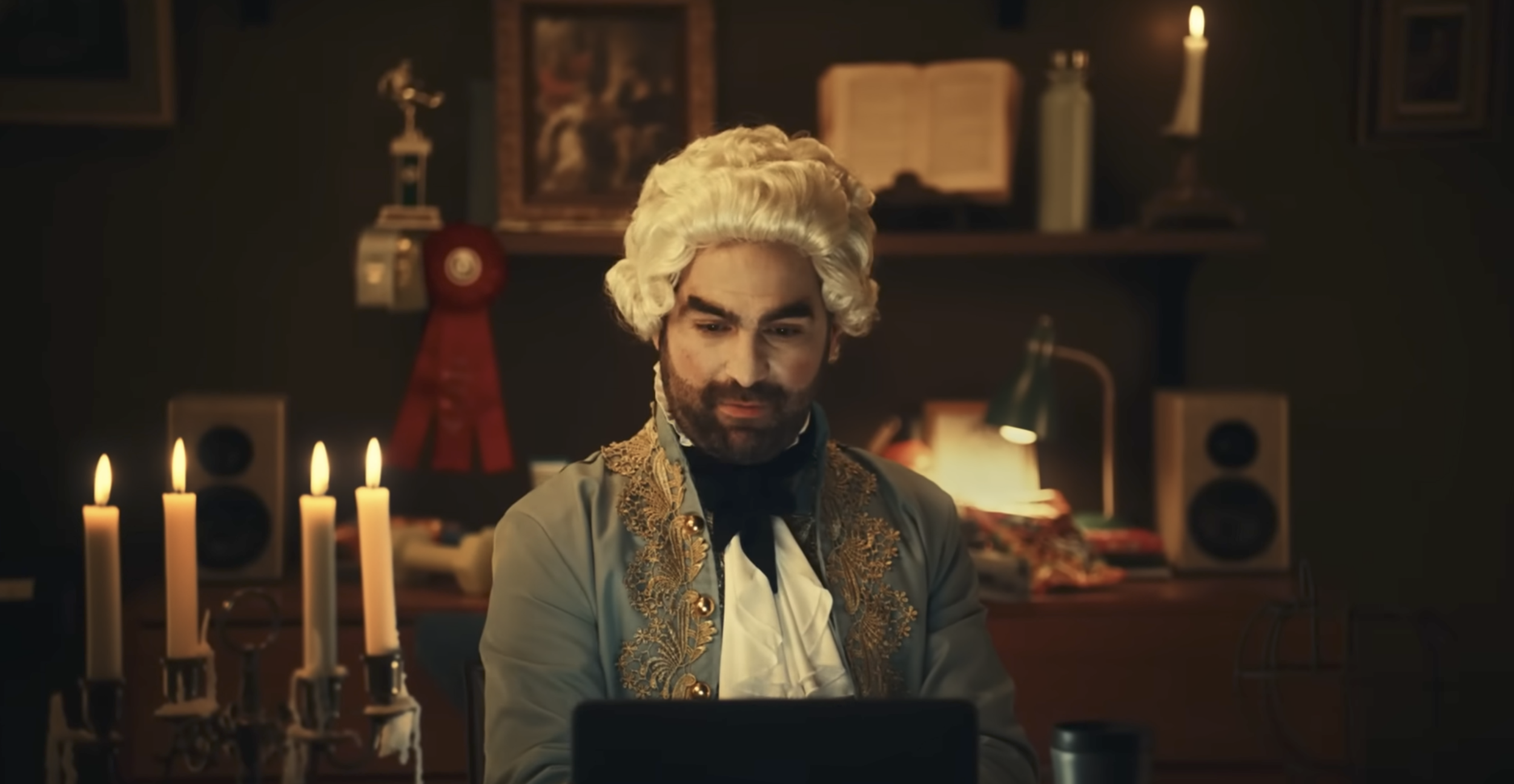
An increased focus on startups led to the ask: create mini-documentary customer stories that read more like immersive cinema than typical testimonials. The point? To tell each startup's story while showing why it matters.
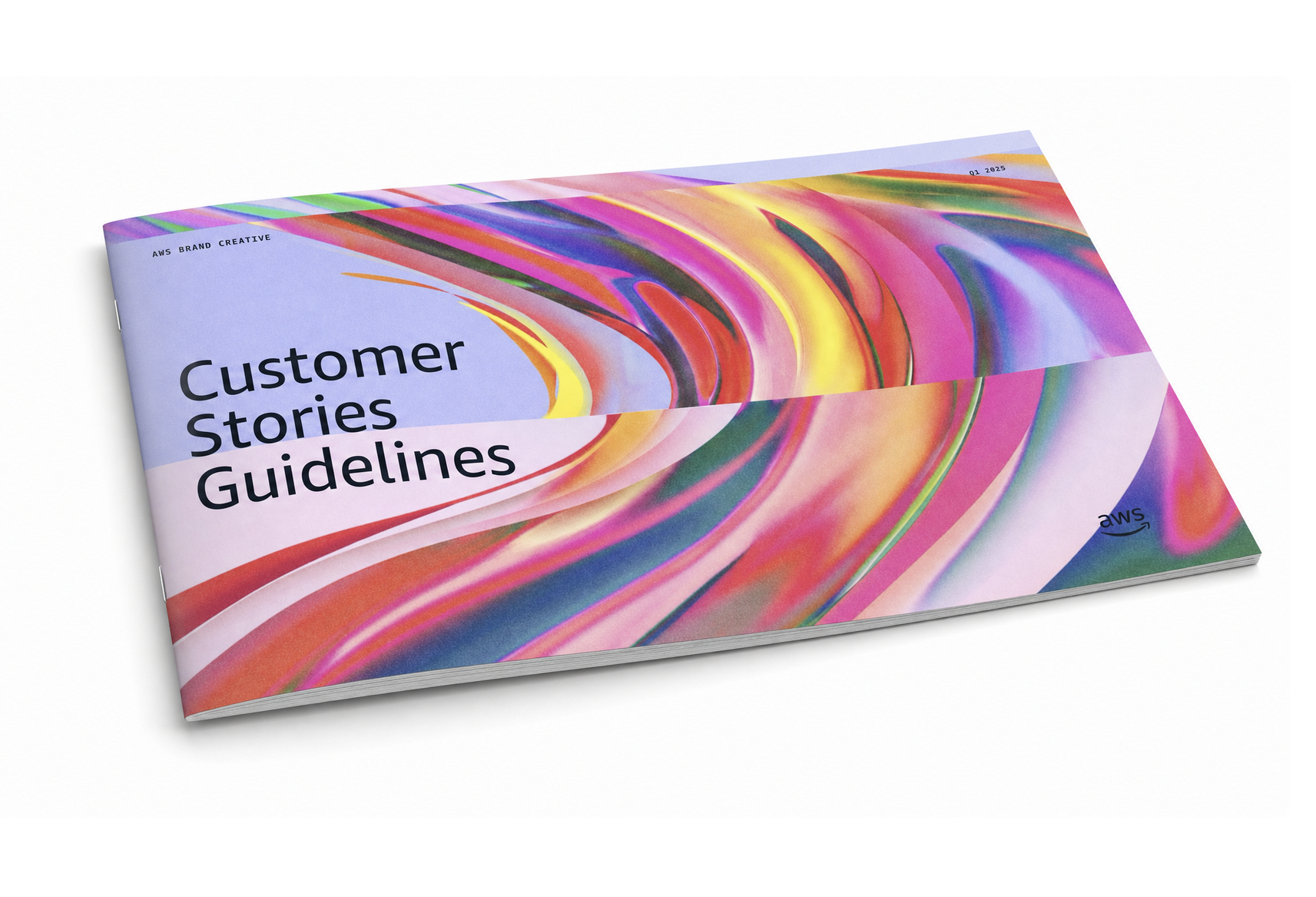
The request was for eight videos across the entire event, meaning multiple creative directors working concurrently while maintaining brand, story, and visual consistency. To help achieve this consistency, I built a comprehensive set of guidelines—covering cinematography, animation, typography, narrative structure, and music—tight enough to hold everything together, elastic enough to span industries. Then I put them into practice immediately: working with award-winning studio Imaginary Forces, we produced four documentaries across the globe (San Francisco, Santa Clara, New York, Romania) in two and a half weeks.
My startup stories premiered in the CEO keynote and began a tradition extending into the following year—leading to an online series that expanded beyond startups to enterprise customers. An evergreen video program that continues to this day.
What I did: Customer Stories Guidelines, Creative Direction, Conducted All Interviews, Design Direction
“Yeah…but how?”
Building on the "AWS is How" broadcast campaign, this activation continued the conversation on social channels, bringing step-by-step clarity and transparency to a confusing AI landscape. The challenge: cut through social saturation by re-imagining industry storytelling with dynamic, visual content that could span the full funnel and connect with every customer segment.
The idea: a progressive carousel format, beginning with awareness-stage hooks that encourage viewers to dive deeper into each story, culminating in full technical architecture screen-captures. This became the first full-funnel social activation that could allow participants to self-select their level of technical depth. As an added bonus, actual AWS developers and solutions architects make an appearance, so viewers could hear directly from the source. I also partnered with Imaginary Forces to animate a new brand illustration system through motion for the first time.
What I did: Concept development, Creative Direction, Production (interviews), Design Direction

Brand Video team manager
For a few years, I stepped into a leadership role overseeing the entire brand video team — four Creative Directors reporting to me, every brand video project flowing through my purview. It meant pulling back from the in-the-weeds production work I'd always loved (though I still led the re:Invent CEO keynote video content — some habits never die). My days shifted to a different kind of creative problem-solving: resource allocation, big-picture creative guidance, protecting each CD's ownership and autonomy. I partnered with program managers on process improvements that made teams faster — not busier. I built the annual roadmap, authored our team charter, and designed strategic systems for brand consistency that gave CDs both the space and direction needed to push the work creatively while tightening communication across the org.
I discovered a deeper kind of fulfillment in championing the people around me: finding the right projects to match each CD's skills, interests, or stretch goals. Helping them discover joy in the work while protecting their personal lives. Advocating — and sometimes downright fighting — for their long-term career growth, even if that meant leaving our team or Amazon entirely. Championing brilliant, creative people and helping them grow professionally was some of the most rewarding work I've done.
The payoff? Having a team I’m still honored to work alongside, who continue to advance, who've taught me as much — if not more — as I've taught them, and who have become truly exceptional creative directors and people.
What I did: Creative Leadership, Team Management, Resource Strategy, Process Development, Mentorship & Career Advocacy, Annual Roadmapping, Cross-Functional Partnership